


MANILA — The Philippines should pursue the Pax Silica initiative but safeguards are needed to protect the country’s sovereignty and long-term interests, an influential business group said on Thursday, amid growing scrutiny of the U.S.-led project.
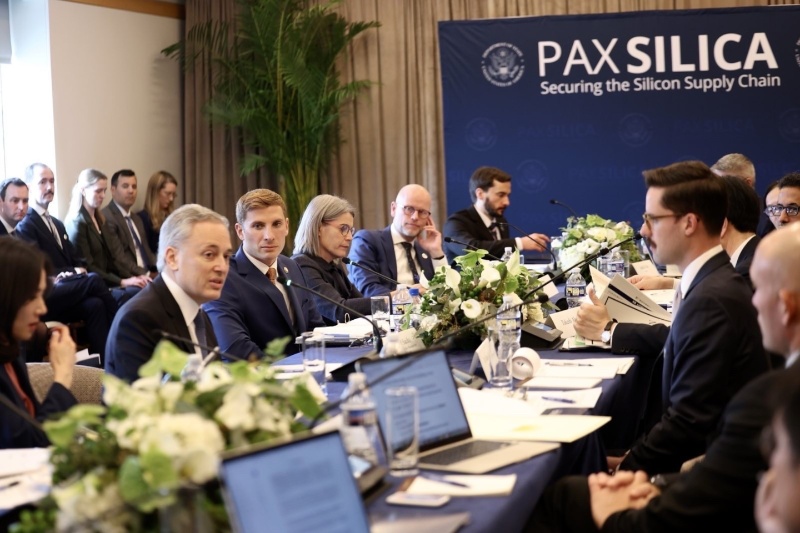
Launched last year to develop AI supply chains, Pax Silica is a key pillar of the Trump administration’s strategy to reduce dependence on China, strengthen cooperation among allies and secure access to critical minerals. It has 24 signatories, including the Philippines, Japan, South Korea, Singapore, India and the European Union.
- The Management Association of the Philippines (MAP) said the Philippines should approach Pax Silica as a “strategic negotiation” with the goal of maximising benefits while managing economic, social, environmental and geopolitical risks.
- The Philippines should ensure that the initiative contributes to domestic industrial capabilities rather than merely serving as a location for extraction, assembly or low-value-added activities, it added.
- The statement comes amid criticism from farmer groups, environmental advocates and some lawmakers, who have raised concerns about the project’s potential impact on sovereignty, natural resources and local communities.
- The Philippines hopes to sign the framework deal with Washington this year.
- MAP said all activities under Pax Silica should remain subject to Philippine laws, regulations, taxes, labour standards, environmental rules and judicial processes.
- It called for firm commitments on technology transfer, workforce development, research partnerships and greater Filipino participation in leadership and technical roles.
- The group proposed an independent oversight body to track investment commitments, job creation, technology transfer, environmental performance and community impact.
—Reporting by Karen Lema; Editing by David Stanway