
A water concessionaire’s suggestion for water conservation ahead of the peak of the Super El Niño sparked conversations among Filipinos.
Maynilad Water Services on Tuesday, October 14, recommended that Filipinos collect condensation from air-conditioning units in a container for toilet flushing.
Air-conditioning units have water condensation in which moisture from warm, humid indoor air turns into liquid water when it hits the aircon’s cold evaporator coils.
Collecting such water is among the concessionaire’s tips to save water ahead of potential shortages as Super El Niño peaks between September and December 2026.
“Huwag lang itong iimbak nang matagal para maiwasan ang pamumuo ng bacteria,” Maynilad said.
The post has garnered 4,400 shares, 2,300 comments, and several likes and reactions from Filipinos.
Some urged the concessionaire to prioritize their projects involving roads. These may refer to pipe replacements and pipe relocations, as well as leak repairs, that affect traffic flow.
“Intensify your programs that minimize [system losses] or non-revenue water. Ang daming sirang pipes na nasasayang ‘yung mga tubig na ‘di pumapasok sa metro,” a Facebook user commented.
“Reuse pang-flush, ‘yung tubo na sira dito sa dating pwesto ni Diwata, ‘di nyo ginagawa, [three] days [nang] dire-diretso tubig. Partida El Niño pa ‘yan. Tapos sisingilin niyo sa mamamayan,” another Facebook user wrote.
“Diwata” may refer to internet personality and pares food stall owner Diwata.
“TAPUSIN NIYO MUNA MGA SINIRA NIYONG KALSADA. DAMI NIYO UTOS,” commented another Filipino on Maynilad’s post.
“Tapos ‘yung leak sa pipes niyo ‘di niyo inaayos,” wrote a different Facebook user.
Maynilad is the water concessionaire serving the West Zone in the Greater Manila Area, covering 11 cities in Metro Manila, including three with partial coverage, as well as parts of Cavite province.
El Niño in the country
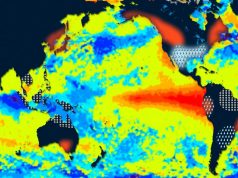
The Philippines is bracing for a “Super El Niño” that may reach its peak in late 2026 and last until February 2027.
The phenomenon is the warm phase of the naturally occurring El Niño-Southern Oscillation cycle, a climate pattern that influences weather around the world.
It tends to cause higher global temperatures and disrupt rainfall patterns across large regions — translating to drought in some areas and heavy rains in others.
Meanwhile, beyond storing extra water for potential shortages, the government said it will start distributing free portable water filtration kits to communities to ensure an adequate supply ahead of the phenomenon’s peak.
Other government agencies are also stepping up efforts to mitigate the effects of El Niño.
The Department of Environment and Natural Resources is promoting nature-based solutions to help farms withstand drought, including bamboo plantations to retain soil moisture, soil conservation structures to prevent erosion, and small water impounding systems to provide alternative water supplies.
The department is also working with irrigation agencies and local communities to improve water management and promote sustainable farming practices.
The Philippine National Police, meanwhile, has ordered police camps, stations and regional headquarters to adopt “water-smart” protocols, conserve water, install rainwater harvesting systems and repair leaking infrastructure.