


ZAMBOANGA City — An aging population of Catholic religious women is creating a growing care challenge for congregations in the Philippines, a study presented to religious superiors revealed.
About 70% of members in 45 women’s religious congregations are 50 or older, while nearly 48% are over 60, including 24% who are at least 70.
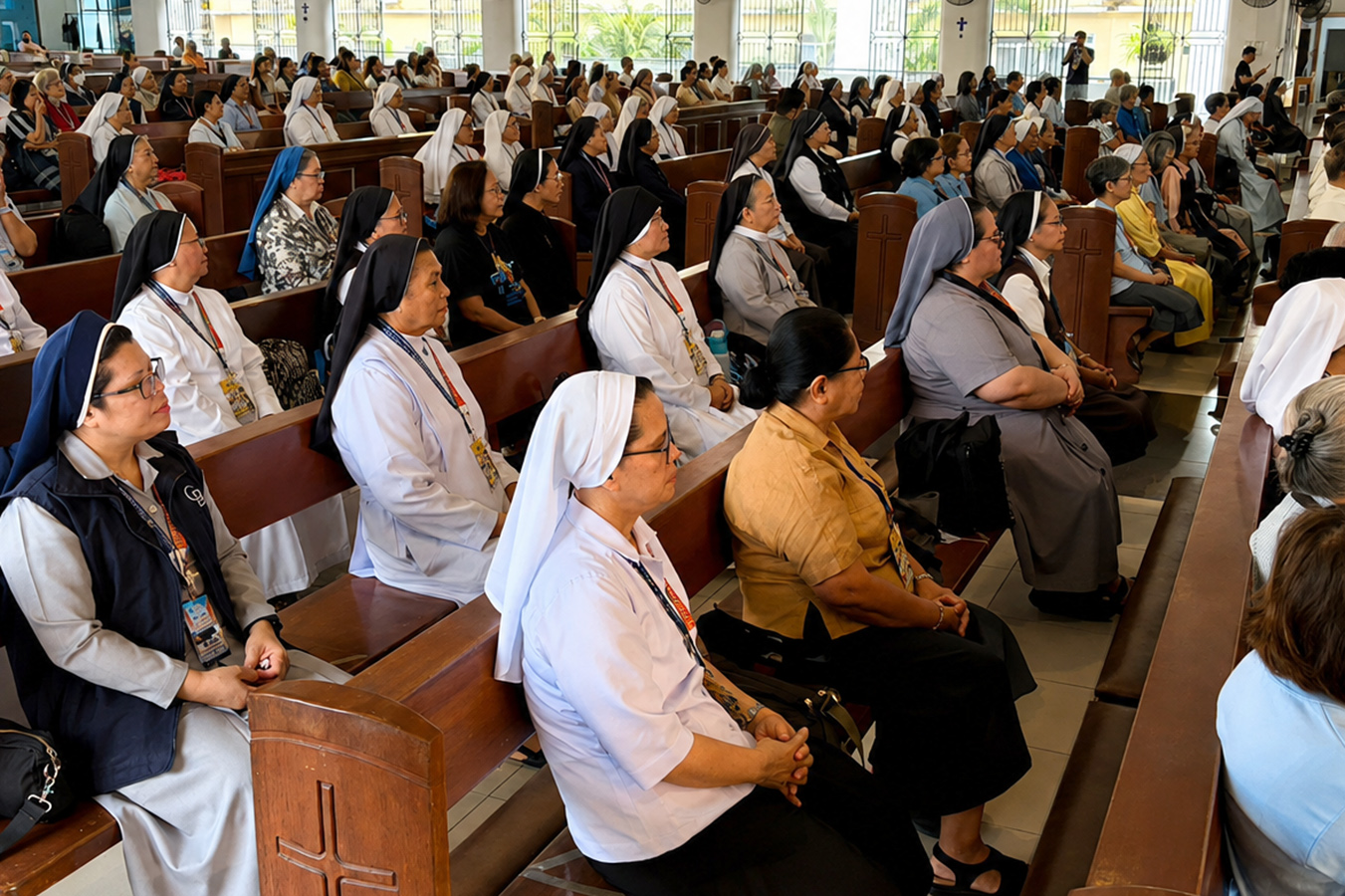
Sister Thu Do of the Congregation of the Lovers of the Holy Cross of Hanoi presented the findings Thursday during the second national convention of the Conference of Major Superiors in the Philippines (CMSP).
“Today, elder care and other issues in consecrated life are no longer an isolated congregational issue,” Do said. “They are collective challenges facing every congregation.”
Growing elder-care burden
Despite the aging membership, many religious women remain active in ministry. But caring for older members is placing growing financial pressure on congregations, particularly smaller institutes with fewer active members.
Nearly 40% of congregations spend more than half their budgets on elder care, while 79% identify financial assistance as their top need.
Rising medical costs and fewer income-generating members are making it harder for smaller congregations to provide adequate care, Do said.
Many convents also lack basic features needed by older residents, including ramps, handrails and accessible bathrooms.
“Our traditional convents were built for young, active missions, not for elder care,” Do said.
Most congregations rely on outside hospitals for medical care, while only about one-third maintain dedicated care facilities, the study found.
Call for shared care
Do urged congregations to share resources, train caregivers and develop common standards for caring for aging members.
She also proposed an inter-congregational care facility for smaller institutes unable to afford elder-care services independently.
The proposal drew interest from 57% of congregations surveyed, pointing to growing support for a shared approach.
Caregiver training is another pressing need. Although 61% of congregations hire outside caregivers, 63% said they need additional training programs for religious members who provide care.
Do said elder care should address emotional and spiritual needs alongside medical and physical concerns. All congregations provide basic spiritual support, while about one-third offer formal psychotherapy.
Preparing for aging
Do also urged stronger safeguarding measures to prevent neglect, isolation and other harm involving elderly and vulnerable members.
She said preparation for aging should begin well before retirement, with religious communities helping members develop healthy habits and support systems earlier in life.
“Healthy aging does not begin at retirement,” she said. “How a member lives in their 40s and 50s directly dictates how they age in their 70s and 80s.”
The study was conducted by the Center for Applied Research in the Apostolate, or CARA, in collaboration with the CMSP.
Do said greater cooperation could help congregations build a more sustainable system of care while preserving the Filipino tradition of supporting older members within the community.